Synthetic Biology and DNA Data Storage: Archiving Exabytes for Millennia

How enzymatic DNA synthesis and error-correcting Reed-Solomon codes are transforming nucleic acid molecules into immutable ultra-dense archives.

Tanisha Panwar
Tanisha PanwarSenior Tech Analyst & AI Specialist
Sunday, November 1, 2026
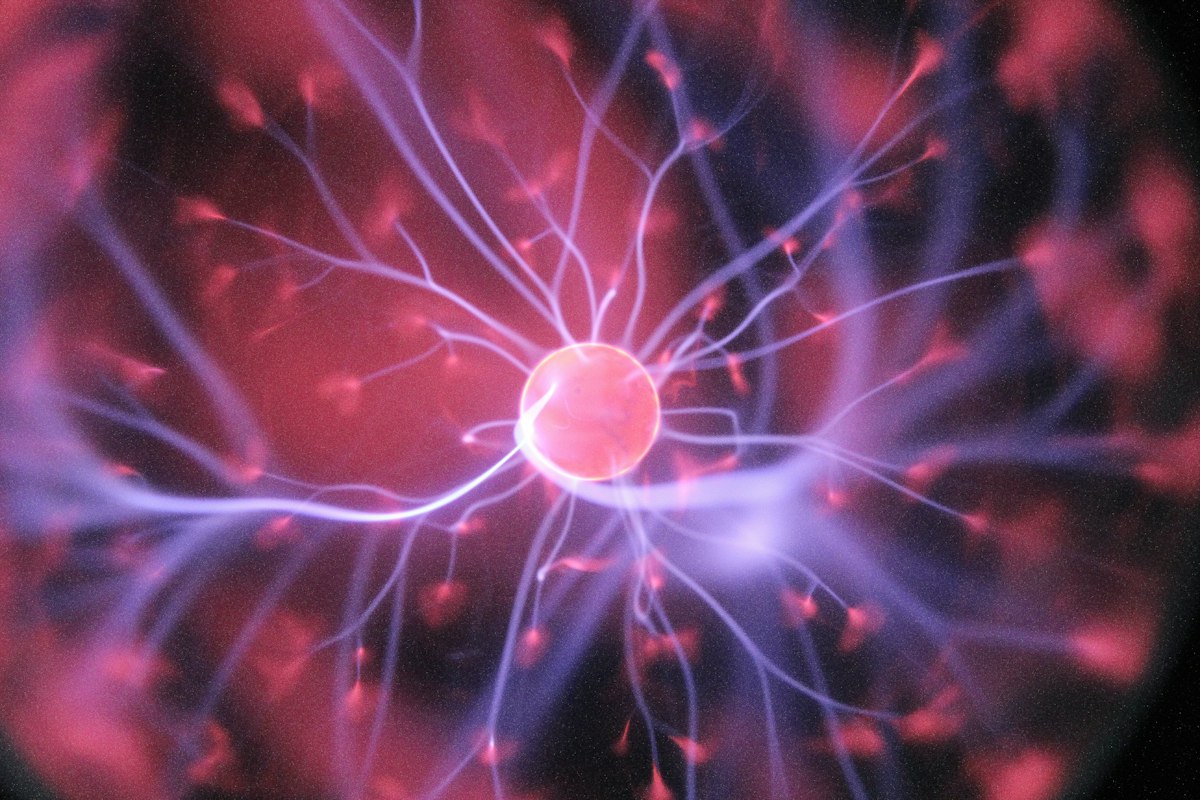
Synthetic DNA double helix data storage molecular visual
Synthetic DNA double helix data storage molecular visualPrimeBitsTech Archive

Global data generation is projected to exceed 250 zettabytes by 2028, far outpacing the global production capacity of silicon flash memory and magnetic tape. Furthermore, magnetic tape degrades within 10 to 20 years, demanding expensive media migration cycles.

DNA Data Storage offers an extraordinary physical solution: a single gram of synthetic DNA can theoretically store 215 petabytes of digital information and remain completely readable after thousands of years without power consumption.
Advertisement
NeuralCompute Blackwell GPU ClustersSponsor

Enterprise Generative AI Infrastructure with Native RDMA and 99.999% Guaranteed SLA

Related Tags:
#DNA Storage#Synthetic Biology#Deep Tech#Biotech
Tanisha Panwar
Written by

Tanisha Panwar

Senior Tech Analyst & AI Specialist

Tanisha Panwar is a senior technology journalist and artificial intelligence analyst at PrimeBitsTech. With over seven years of specialized coverage in deep learning architectures, computational linguistics, and embodied robotics, she decodes cutting-edge developments from leading research labs and foundation model builders worldwide.

Related in Future Tech & Quantum