In 2019, Google proclaimed quantum supremacy by demonstrating that its 53-qubit Sycamore processor could sample a random quantum circuit faster than the world’s most powerful classical supercomputer. While an immense physical milestone, the synthetic benchmark carried no commercial utility.
Over the past two years, the quantum research landscape crossed an even more critical boundary: the transition from raw physical qubits to Fault-Tolerant Logical Qubits using quantum error correction codes (Surface Codes and Color Codes).
The Mathematics of Quantum Error Correction
Physical qubits based on superconducting transmon circuits or trapped ions are notoriously susceptible to environmental thermal noise, magnetic fluctuations, and cosmic rays. A single stray photon causes phase or bit flips.
By entangling dozens of physical qubits into a single logical qubit, errors are detected and corrected non-destructively:
k_logical
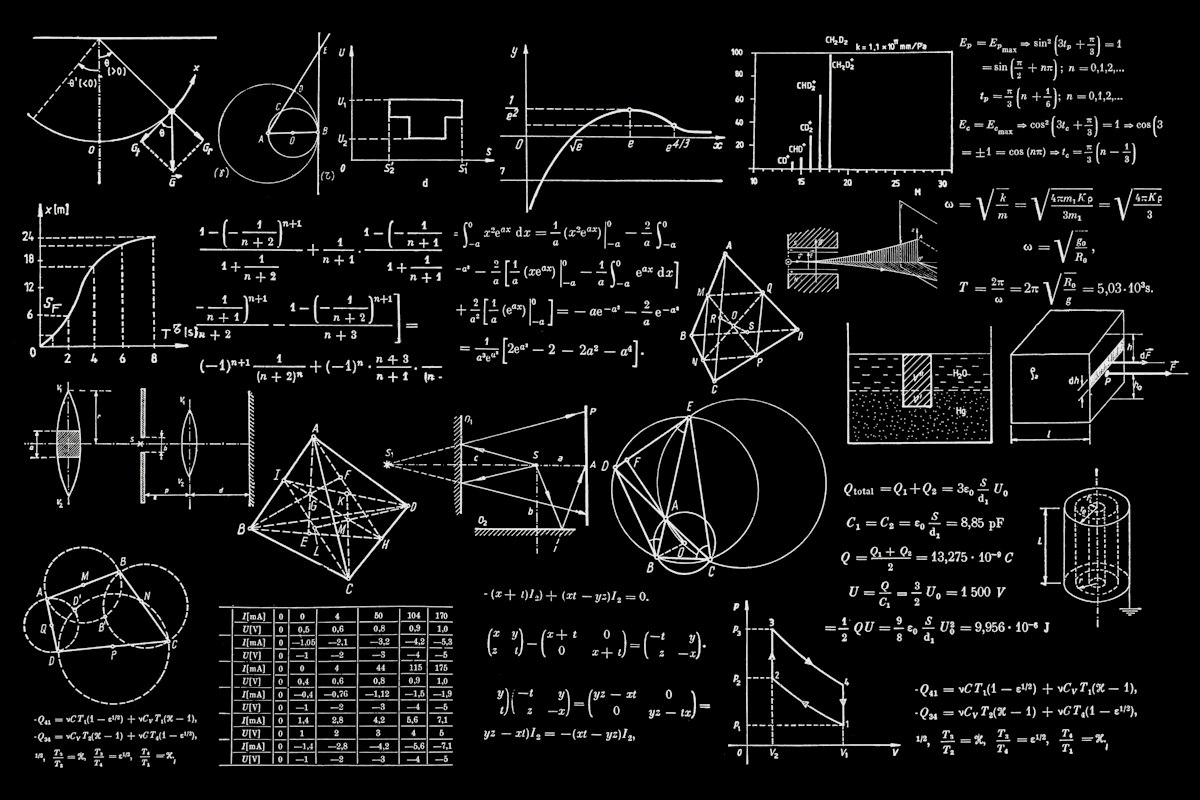 Figure 5: High-Coherence Superconducting Qubit Interconnect Architecture.
The Real-World Frontier: Molecular Simulation
Classical computers must approximate electron correlation using density functional theory (DFT), which struggles with complex catalytic transitions. Quantum processors simulate quantum mechanical Hamiltonians natively. Researchers are actively modeling the nitrogenase enzyme active site (FeMoco), paving the way toward ambient-temperature fertilizer synthesis that could slash global industrial energy consumption by 2%.