
Brain-Computer Interfaces: Non-Invasive Neural Decoders Take Center Stage

Inside the breakthrough neural decoding architectures translating non-invasive fNIRS and high-density EEG telemetry into continuous speech and motor intent.

Tanisha Panwar
Tanisha PanwarSenior Tech Analyst & AI Specialist
Saturday, November 7, 2026
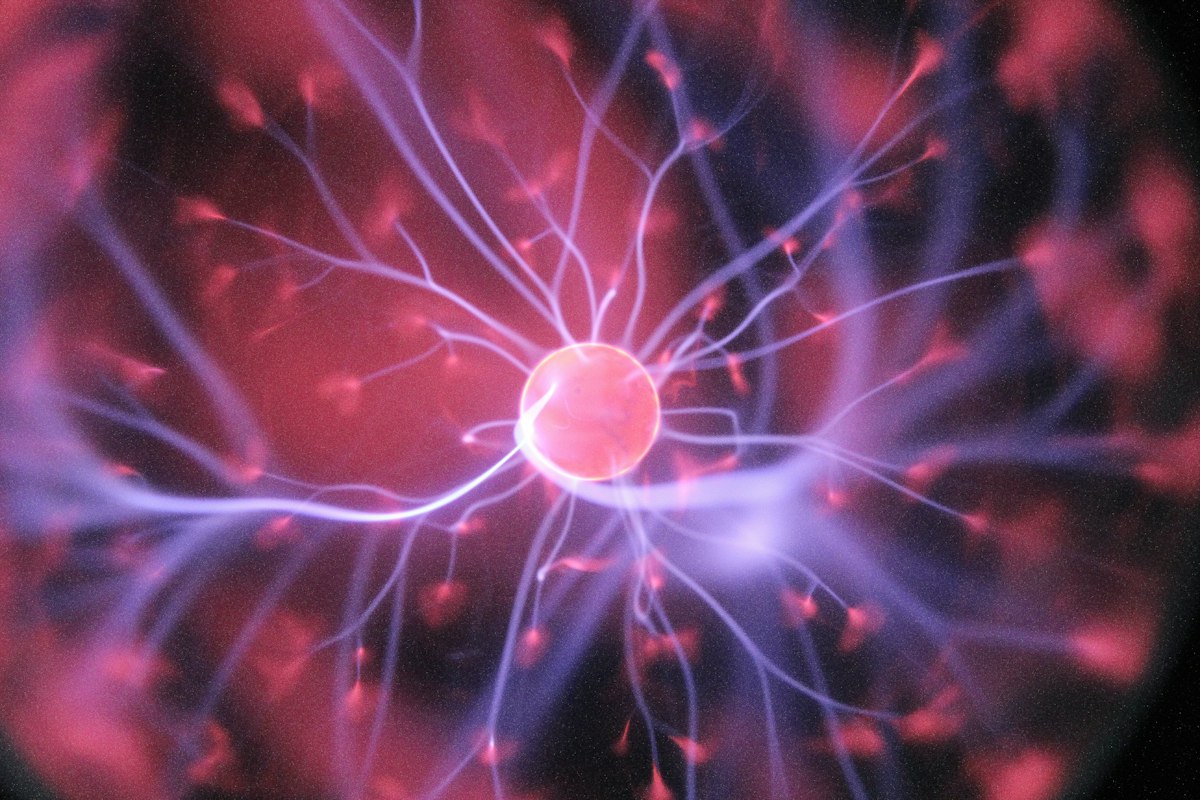
High density EEG neural decoder headset interface visual
High density EEG neural decoder headset interface visualPrimeBitsTech Archive

While invasive neural implants like Neuralink capture headlines by drilling micro-electrode arrays directly into the cerebral cortex, non-invasive brain-computer interfaces (BCIs) have quietly undergone an AI-driven revolution.

Historically, non-invasive EEG and optical functional near-infrared spectroscopy (fNIRS) were plagued by the skull’s severe signal attenuation and low spatial resolution. Today, self-supervised spatial-temporal transformers pretrained on tens of thousands of hours of neural signal recordings can reconstruct semantic linguistic intent and motor cursor trajectories without requiring invasive neurosurgery.

Advertisement
NeuralCompute Blackwell GPU ClustersSponsor

Enterprise Generative AI Infrastructure with Native RDMA and 99.999% Guaranteed SLA

Related Tags:
#BCI#Neurotech#Neural Decoders#Bioengineering
Tanisha Panwar
Written by

Tanisha Panwar

Senior Tech Analyst & AI Specialist

Tanisha Panwar is a senior technology journalist and artificial intelligence analyst at PrimeBitsTech. With over seven years of specialized coverage in deep learning architectures, computational linguistics, and embodied robotics, she decodes cutting-edge developments from leading research labs and foundation model builders worldwide.

Related in Future Tech & Quantum